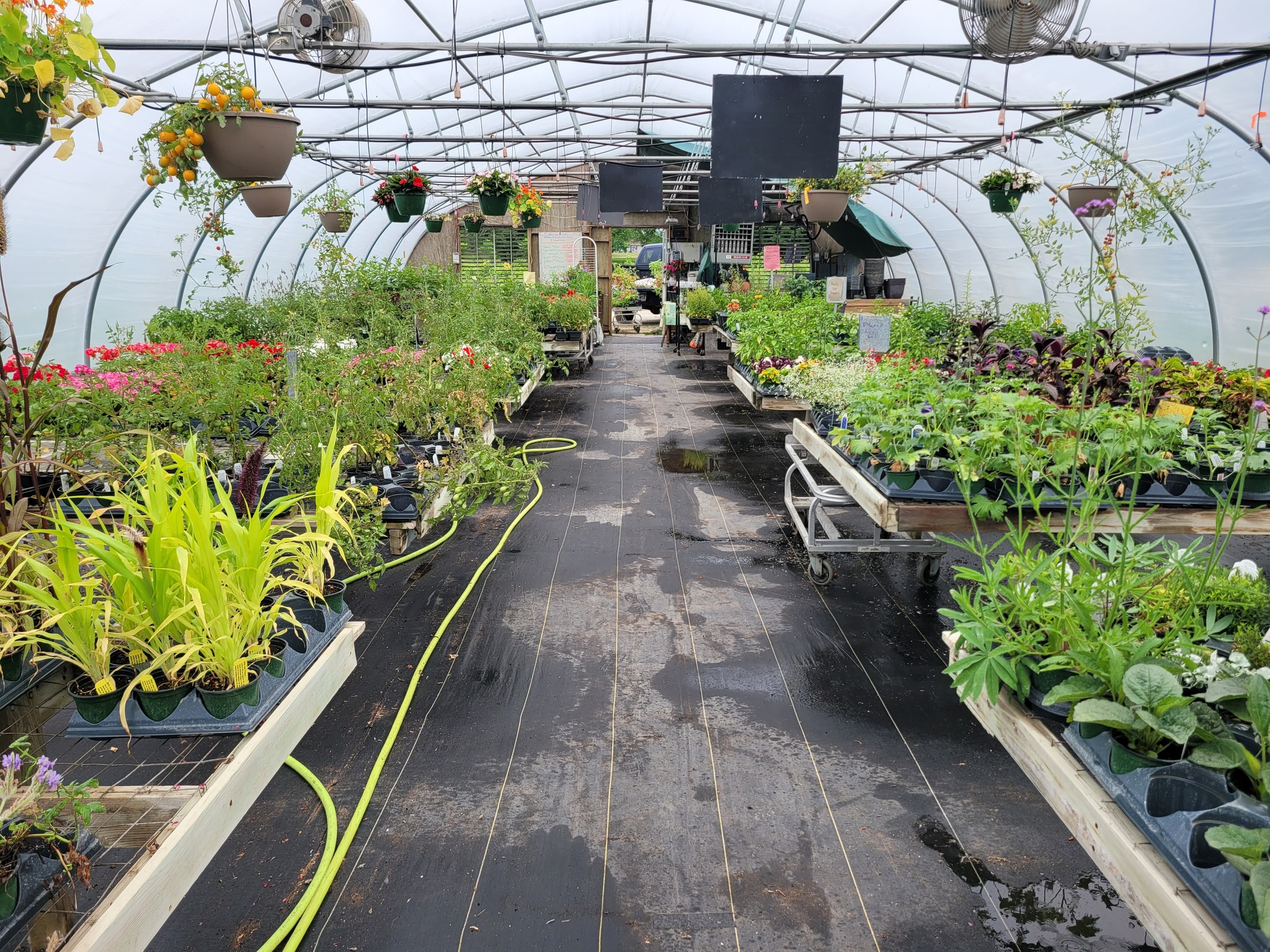
The Greenhouse Wake-Up
After a long Michigan winter, the greenhouse feels like a promise. Trays turn green, benches fill up, and the first sunny days make every new start feel possible. This moment is exciting because it is the beginning of the season, but it is also the most important time to set a calm pace. The best gardens are not rushed into being; they are built one good step at a time.
If you are new to growing, remember that spring is not a single weekend. It is a series of small windows. Those windows open and close with the weather, the light, and the soil temperature. When you focus on a steady rhythm instead of a sprint, your plants establish more gently and your care feels easier all season.
A simple rule to carry into spring: plants want consistency more than intensity. If you can give your starts stable light, steady moisture, and a smooth transition outdoors, they reward you with strong roots and steady growth. The greenhouse gives you that stable start, and your job is to keep that calm as you move plants into the garden.
A helpful mindset is to choose one or two anchor goals for early spring. Maybe it is getting your first bed planted, or keeping a steady watering rhythm for two weeks. When you keep the goals small and visible, you build confidence fast and the season feels like a series of wins instead of a series of worries.
It also helps to choose a few dependable varieties as your core plants. Build the garden around those favorites, then add one or two new items for fun. That balance keeps the plan grounded and makes it easier to learn what works well in your yard.
Read Your Light and Microclimates
Sunlight is the first decision in every garden. Six to eight hours of direct light is ideal for tomatoes, peppers, and cucumbers. Greens, herbs, and many flowers can handle partial sun and often prefer it. Rather than trying to force crops into a space that does not suit them, match the plant to the light you actually have.
Microclimates matter more than most people realize. A south-facing wall warms faster, a low spot holds moisture longer, and a breezy corner dries out quickly after rain. These small differences can decide which plants thrive. Use the warmest spots for heat lovers and save the cooler areas for greens and flowers that like a gentle light.
If you notice one bed dries out or stays cooler, treat it as its own space with its own plan. A garden that honors the microclimates feels easier to manage and produces stronger plants because each crop is growing where it naturally wants to be.
You can also shape microclimates with simple choices. A low trellis can cut wind, a stone border can hold warmth, and a container placed near a wall can stay a little warmer at night. These small adjustments often make the difference between a plant that struggles and one that settles in.
If you are unsure about a spot, observe it for a few days. Notice when the sun hits, how long it stays, and how quickly the soil dries. A little observation in March saves a lot of plant stress in June.
Soil Building with Compost and Mulch
Healthy soil is the quiet hero of spring planting. You do not need a long list of products to build good soil, but you do need to feed it. Compost is the simplest and most reliable way to add life and structure. A light top dressing before planting, worked gently into the top few inches, gives roots a welcoming place to grow.
Compost improves soil in multiple ways at once. It helps water soak in rather than run off. It creates air pockets so roots can breathe. It encourages earthworms and other tiny helpers that keep the soil loose. Those changes matter on hot days when moisture matters most and during cool swings when roots need steady conditions.
Mulch is compost's best partner. A thin layer after the soil warms keeps moisture even and protects the surface from drying winds. Mulch also reduces weeds and makes watering more forgiving. Together, compost and mulch create a soil that works with you instead of demanding constant rescue.
Try to avoid working soil when it is too wet. If you squeeze a handful and it clumps into a tight ball, wait a day or two. Working wet soil can compact it and undo the loose structure you want for roots. A little patience in early spring pays back all summer.
When you add compost, keep it light and even. You can always top dress again later in the season. A steady, gentle approach keeps soil life active and prevents you from overworking the bed.
Timing and Succession for a Long Harvest
One of the biggest differences between a garden that peaks once and a garden that keeps giving is timing. If everything goes in at the same time, everything comes ready at once. That can be overwhelming. A better plan is to plant in waves, especially for greens, beans, and quick crops.
A second planting two or three weeks after the first spreads the harvest and gives you a backup if weather slows one round. It also makes the season feel like a rhythm. You plant, you harvest, you plant again. That gentle cycle is easier to manage than a single big push.
Timing also helps with space. Early greens can grow in spots where warm-season crops will eventually take over. As the season warms, you transition the bed from cool-weather crops to heat lovers. That kind of planning uses every square foot well and keeps the garden active for longer.
Keep a simple calendar so you know when each wave goes in. Even a note on your phone helps you remember what was planted and when. That timing gives you a clearer harvest window and helps you decide when to start the next round.
Succession works well with quick crops like radishes and lettuce. Plant a short row, harvest it, then replant that same space. That simple rotation keeps the garden productive without adding new beds.
A Simple Care Rhythm That Prevents Problems
Hardening off is a key step in spring. Greenhouse starts are used to gentle light and steady temperatures. The outdoors is a different world. Move plants outside for a few hours in a sheltered spot, then increase time and light over a week or two. If a cold night rolls in, bring them back in. A slow transition prevents shock and sets them up for steady growth.
Watering is often where new gardeners struggle. A simple rhythm helps: water deeply, then let the top inch of soil dry before watering again. That pattern encourages roots to reach down and makes plants more resilient. Combine that with a mulch layer, and your watering schedule becomes easier and more forgiving.
Choose a weekly check-in day. Walk the beds, note new growth, look for any stress, and add a light compost top dressing if a bed looks tired. A short, consistent routine catches small issues early and builds confidence. And if you ever feel unsure, ask us. We love helping people create a spring plan that fits their yard and their life.
When you notice a plant struggling, go back to the basics first: light, water, and airflow. Most problems get better with those simple adjustments and a little patience. A calm, observant approach keeps your garden feeling peaceful and keeps you focused on the joy of growing.
Celebrate the small wins too. The first new leaf, the first flower, the first harvest all matter. Those moments are the heart of the season and the best reminder that steady care really works.
Seasonal Tips
- Plan spring work in steady steps instead of one big weekend
- Match plants to the light you actually have
- Notice microclimates and use them to your advantage
- Top dress with compost before planting
- Mulch after soil warms to hold moisture
- Plant in waves to spread harvests
- Harden off plants slowly over 7-10 days
- Water deeply, then let the top inch dry
- Stake or cage tall crops at planting time
- Keep a simple weekly check-in routine
- Use row covers to buffer quick weather swings
- Ask for help early to avoid stress later