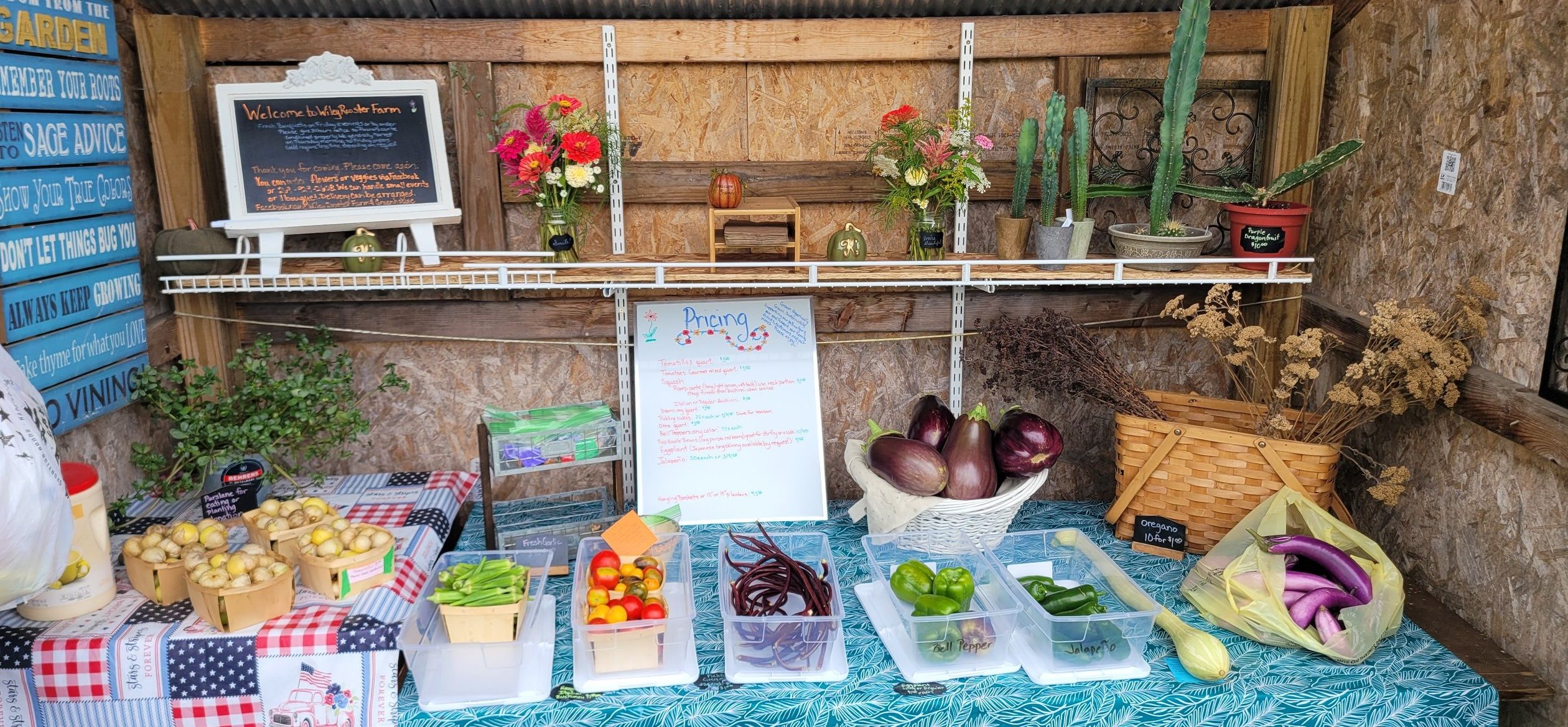
Shop With a Plan, Cook With Ease
A good farm stand visit starts with a quick plan. Choose a mix of quick-use items and longer-keeping staples. Greens, herbs, berries, and soft tomatoes are best in the first few days, while onions, potatoes, and winter squash can wait. This mix lets you eat well all week without wasting anything.
Think about two or three simple meals before you shop. If you know you will make a sheet-pan roast and a big salad, you can buy with confidence. The plan does not have to be complicated; it just helps your produce become meals instead of good intentions.
If you are trying a new vegetable, choose just one and ask how to store it. A small question at the stand can save a whole week of guesswork at home.
A balanced basket usually includes something crunchy, something juicy, and something sturdy. That balance makes it easier to build meals without needing a second shopping trip. It also keeps your fridge full of options that can mix and match.
If you have a busy week ahead, focus on vegetables that work in multiple meals. Peppers can go in salads, sautees, and wraps. Greens can be used raw early and cooked later. Versatile produce is the secret to a calm weeknight plan.
Keep a short list of your go-to meals on the fridge. When you shop, you can match produce to that list and reduce decision fatigue later. The goal is to make the week feel simple, not scripted.
When you get home, separate items you want to use right away from those that can wait. This quick sort keeps delicate produce from getting forgotten and helps you plan the first meals with confidence.
Simple Techniques That Make Produce Shine
Roasting is the fastest way to make vegetables taste rich and sweet. Toss cut vegetables with oil, salt, and herbs, spread them on a pan, and roast until the edges brown. Roasted vegetables can be served as a side, added to grain bowls, or folded into salads the next day.
Quick sauteing is another reliable method. Heat a pan, add oil, and cook sliced vegetables until they are just tender. Finish with a squeeze of lemon or a splash of vinegar for brightness. This method works for greens, peppers, zucchini, and onions.
Fresh salads also shine when you keep them simple. Mix greens with one crunchy vegetable, one soft element like tomato, and a fast dressing. When your produce is fresh, simple preparation lets the flavors speak for themselves.
Grilling is another great option, especially when the weather is warm. A quick brush of oil and a sprinkle of salt turns zucchini, peppers, and onions into a smoky side that pairs with almost any meal.
For a comforting option, blend roasted vegetables into a simple soup. Roasted tomatoes and peppers make a rich base, and a handful of greens stirred in at the end adds color and nutrition without much extra work.
Raw vegetables can be just as satisfying when you keep them ready. A quick dip, a sprinkle of salt, or a squeeze of citrus is often all you need for a crisp, refreshing side.
Smart Storage to Stretch the Week
Storage is the difference between a good haul and a great one. Keep greens dry and cold, store herbs upright in a jar of water, and leave tomatoes at room temperature so their flavor stays rich. These small choices can add days of freshness.
Use a cool pantry or basement shelf for squash, onions, and potatoes. Keep them out of direct light and away from moisture. When these items are stored correctly, they become the backbone of easy meals later in the week.
If you are unsure how to store a new item, ask us. We love sharing the simple habits that make produce last longer and taste better.
If your greens seem too wet, tuck a dry towel into the container and replace it every couple of days. That small change keeps leaves crisp and reduces the chance of slimy spots.
Labeling a container with a date can be surprisingly helpful. It nudges you to use the most delicate items first and keeps the fridge from turning into a mystery drawer.
Herbs stay perky if you trim the stems and keep them in a jar of water, lightly covered with a bag. That simple step can add several days of freshness and keeps herbs ready for quick use.
If you wash produce right away, make sure it is fully dry before storing. Extra moisture shortens shelf life, especially for greens and herbs. A dry towel and a few minutes of air time can make a big difference.
Prep Once, Eat All Week
A little prep time saves a lot of weeknight stress. Slice cucumbers, peppers, and carrots into sticks and keep them in a container. When healthy snacks are ready, you reach for them without thinking.
Chop extra herbs and store them in the fridge, or freeze small portions for later. Prepped herbs can turn a simple meal into something special in just a few seconds.
Keep a small bowl of greens ready for quick additions to eggs, soups, or sandwiches. With this rhythm, the produce you buy gets used while it is still at its best.
Choose one prep window each week, even if it is only 20 minutes. That small block of time can turn a fridge full of produce into a ready-to-go meal kit for the next few days.
If you have leftovers from roasted vegetables, toss them into a wrap or add them to a quick grain bowl. This kind of mix-and-match cooking keeps meals interesting without extra effort.
Leftover vegetables also work well in scrambled eggs or a quick rice bowl. A few minutes in a pan turns last nights roast into a new meal.
Preserve a Little, Share a Lot
If you bring home more than you can eat, preserve a small portion. Freeze chopped peppers, roast and freeze tomatoes, or quick-pickle cucumbers for later. You do not need to preserve everything; a few small containers add convenience to future meals.
Sharing is part of the farm stand spirit. Offer extra greens to a neighbor or bring a bag of tomatoes to a friend. Fresh produce connects people, and a simple gift can make someone's day.
The goal is not perfection. It is a steady, joyful rhythm where seasonal food becomes part of everyday life. A little planning and a few simple techniques are all it takes.
Herbs freeze well in small portions. Chop them and freeze with a bit of oil in an ice cube tray, then pop a cube into a pan when you need quick flavor. It is an easy way to preserve the scent of summer without extra work.
Any scraps that cannot be used can go into the compost. That closes the loop and turns kitchen leftovers into future garden soil. It is a simple reminder that the farm stand and the garden are part of the same cycle.
When you preserve a small batch, label it with the date and a simple note about how you plan to use it. That makes freezer meals feel intentional and keeps your future self grateful.
Seasonal Tips
- Use leafy greens early in the week
- Store herbs upright in water for longer life
- Roast mixed vegetables on one pan
- Keep a snack container of sliced veggies
- Add a squeeze of lemon to brighten flavors
- Save scraps for stock or compost
- Leave tomatoes on the counter, not the fridge
- Use quick sautees for fast weeknight meals
- Freeze small portions of extras
- Ask how to store new produce at the stand
- Plan two or three meals before shopping
- Keep a simple pantry of oil, vinegar, and salt